Cusco · Things to do
Checked August 2026 · 5 official sources
THINGS TO DO
Cusco is a working Andean city built on Inca foundations, and a visit divides between stonework you can reach on foot in an hour and the day trips — the Sacred Valley and Machu Picchu — that have to be booked weeks ahead.
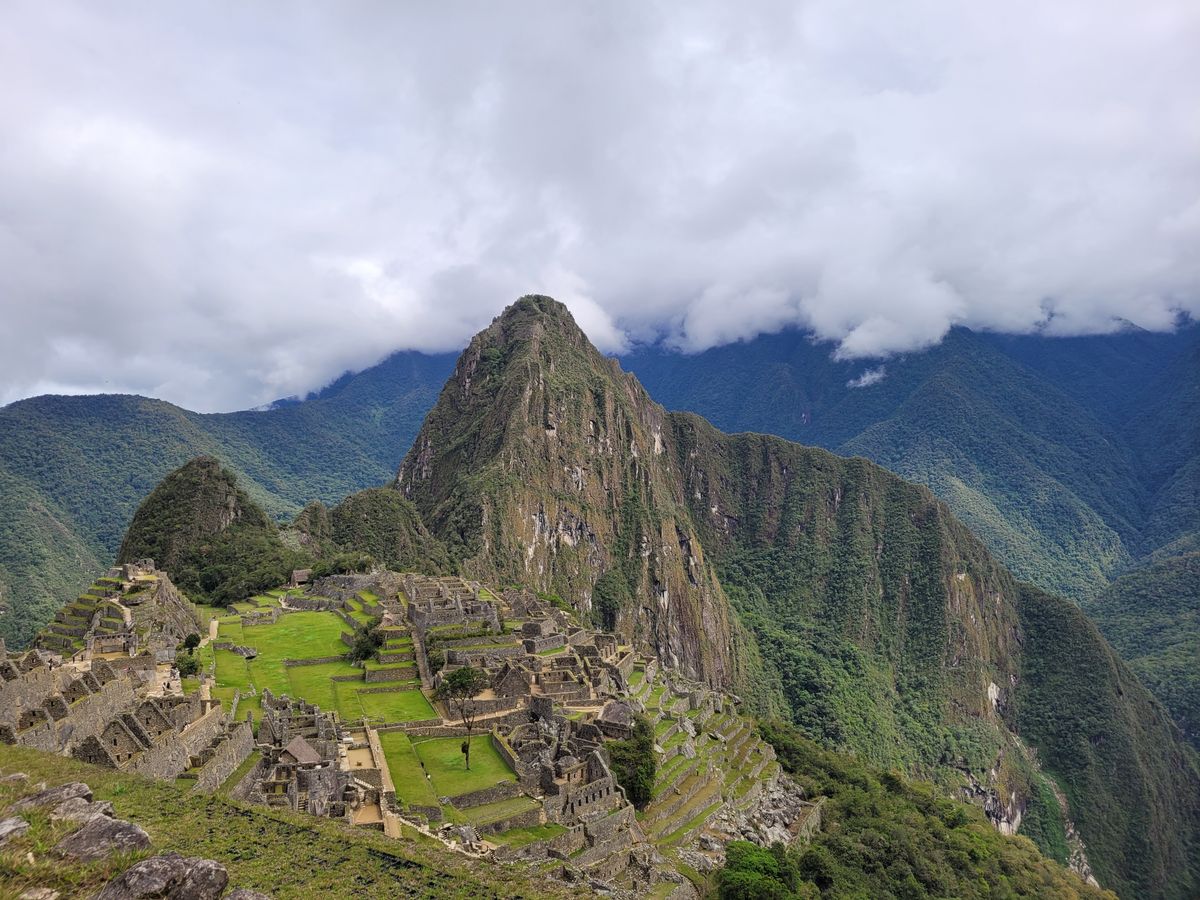
Machu Picchu
Entry is by timed circuit with two daily shifts, admitted 06:00–12:00 and 12:00–16:30, a maximum four hours inside and no re-entry. The Huayna Picchu and Machupicchu Mountain add-ons are capped at 200 and 400 people per turn and sell out first; buy through the Ministry of Culture's own platform, never a reseller.
📍 Map & photos · $$$ · Website ↗
The train to Aguas Calientes
PeruRail runs Ollantaytambo to Aguas Calientes in about 1h45 and Poroy, outside Cusco, in about 3h30, plus a bus-and-train combination from Cusco that changes at Pachar. Services range from the basic Expedition up to the glass-roofed Vistadome; the Machu Picchu entrance ticket is bought separately.
📍 Map & photos · $$$ · Website ↗
Sacsayhuamán and the Boleto Turístico
The huge zigzag walls above the city are a 30–45 minute walk uphill from the Plaza de Armas, and entry is only via the combined Boleto Turístico, which also covers the other Inca sites on the ridge and several in the Sacred Valley depending on which partial ticket you buy. The official ticket body's web domain now redirects to an unrelated commercial site, so buy in person at a COSITUC office or at the site gate.
📍 Map & photos · $$
Qorikancha and the Convento de Santo Domingo
The Inca sun temple whose curved walls the Dominicans built their convent directly on top of, leaving both layers standing in one building — the clearest single illustration of what happened to this city. Central, a few minutes downhill from the Plaza de Armas.
📍 Map & photos · $
Mercado Central de San Pedro
The city's main covered market a few blocks downhill from the plaza: produce, cheese and bread stalls, juice counters, and rows of cooked-food stands doing set lunches for a few soles. Mornings are the real market; by late afternoon much of it is packing up.
📍 Map & photos · $