Chitwan
ASIA · SIESTA SIDE
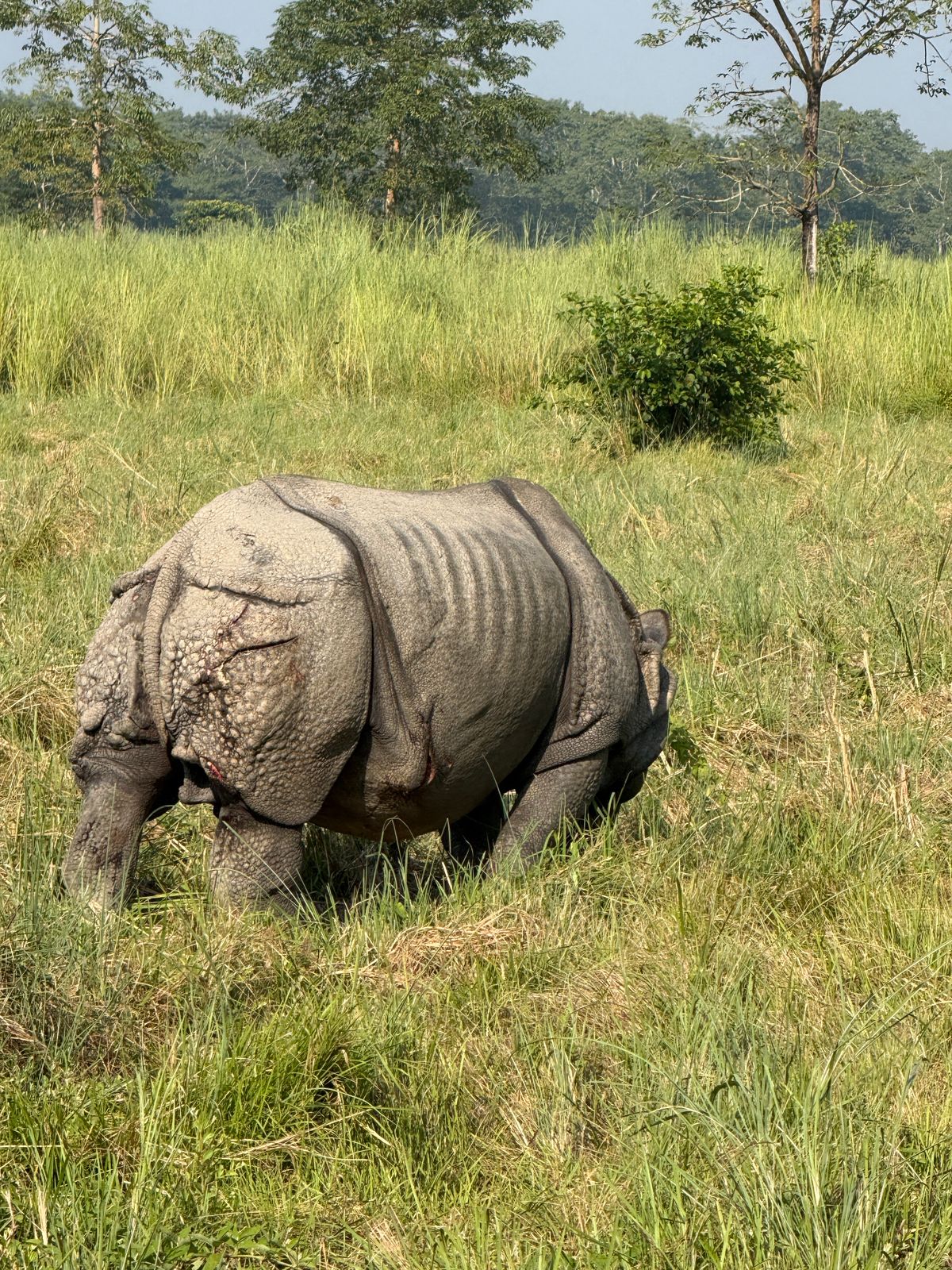
Nepal without the altitude: sal forest and elephant grass on the Terai plains, where one-horned rhinos graze the riverbank and tigers are a genuine long shot.
The plan
Jeep safari
Half or full day deep into the park for rhino, deer, gaur and sloth bear. Park permit is NPR 2,000 per day on top.
📍 Map & photos · €€€
Dugout canoe on the Rapti
Drift past marsh muggers and gharial at eye level, usually paired with a guided walk back. Around NPR 1,400-1,800.
📍 Map & photos · €€
Guided jungle walk
On foot with two licensed guides - the most thrilling and most rule-bound way to meet a rhino. Do exactly as they say.
📍 Map & photos · €€
Elephant Breeding Centre
Government facility in Sauraha with calves and a small museum, open roughly 6am-6pm. Entry is only a few rupees.
📍 Map & photos · €
Tharu village and museum
The Terai's indigenous people, their stilt-and-mud houses, and the Tharu Cultural Museum at Bachhauli.
📍 Map & photos · €
Getting there
Tourist bus, 6 hours
Daily coaches from Kathmandu and Pokhara reach Sauraha for roughly NPR 700-1,200. Leave early and avoid night buses.
Fly to Bharatpur (BHR)
Buddha Air flies from Kathmandu in about 20 minutes. Bharatpur is 20km from Sauraha, then a taxi or jeep.
On the way to Lumbini
Chitwan sits between Pokhara and Lumbini, so it slots into a loop rather than a there-and-back detour.
When to go
Best time to go
October to March: dry, cooler, and animals gather at the shrinking waterholes.
Cheapest months
June to September monsoon - hot, humid, leech-heavy and often partly flooded.
Priciest & busiest
October to December peak wildlife season, and Nepali holiday weekends.
If you've got one day
Morning
Dawn jeep safari or a canoe on the Rapti - first light is when rhinos are still out in the open.
Late morning
Walk to the Elephant Breeding Centre, then loop back along the river through the buffer zone.
Lunch
A long slow lunch out of the heat - KC's garden or a rooftop on the main street. Nothing moves at midday.
Afternoon
Birding in the buffer forest, or cycle out to the Bishazari Tal wetlands away from the crowds.
Evening
Sunset over the Rapti from the riverbank bars, then a Tharu stick dance show at 7pm.
Nearby & day trips
Bishazari Tal
'Twenty Thousand Lakes' - a Ramsar wetland north of Sauraha, superb for birds and nearly always empty.
Bardia National Park
Far west and much wilder, with better tiger odds and a fraction of the visitors. A long haul, but worth it.
The full episode drops on our socials — follow along: