Saaremaa
EUROPE · SIESTA SIDE
Estonia's biggest island and its slowest: juniper heath, wooden windmills, a meteorite crater, and a moated castle in spa-town Kuressaare.
The plan
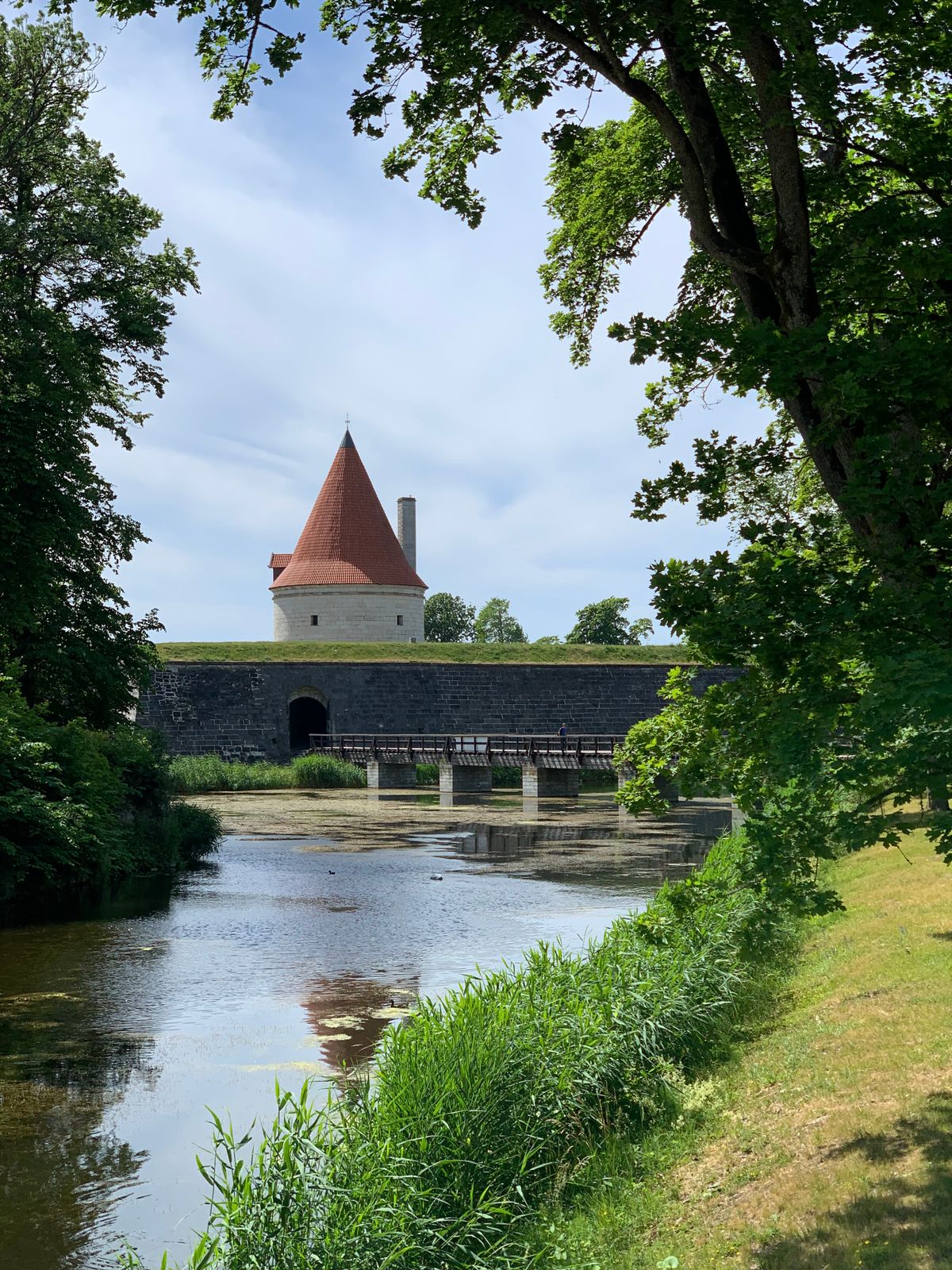
Kuressaare Episcopal Castle
The best-preserved medieval castle in the Baltics, square and moated, holding the Saaremaa Museum. Open daily 10-18.
📍 Map & photos · €€ · Website ↗
Kaali meteorite crater
A 110 m water-filled crater blasted out around 7,500 years ago, with eight smaller craters scattered in the woods.
📍 Map & photos · €
Angla Windmill Hill
Five old wooden mills on a ridge, four trestle and one Dutch-style, with a heritage centre and cafe. Open year-round.
📍 Map & photos · € · Website ↗
Panga Cliff
West Estonia's highest bedrock outcrop at 21 m, dropping straight into the sea. An old sacrificial site, with a cafe.
📍 Map & photos · €
Sõrve peninsula
A long drive down the island's southern spit to the Baltic's tallest lighthouse and some heavy WWII history.
📍 Map & photos · €
Getting there
Ferry via Virtsu
Drive or bus to Virtsu, then a 30-minute ferry to Muhu and a causeway across. Book online in summer to skip the queue.
Fly from Tallinn
NyxAir flies Tallinn to Kuressaare in about 30 minutes, twice daily on weekdays. Finnair added a Helsinki route in 2026.
Coach from Tallinn
Direct buses take about four hours including the ferry crossing and arrive in central Kuressaare.
When to go
Best time to go
June to August: everything is open and the shallow sea is just about swimmable.
Cheapest months
November to March. Spa hotels discount heavily, though many rural sights close.
Priciest & busiest
July, and any opera festival week. Island beds sell out months ahead.
If you've got one day
Morning
Start at Kuressaare Castle before the tour buses, walking the ramparts and the moat circuit.
Late morning
Drive north to Angla Windmill Hill for the five mills and the heritage centre workshops.
Lunch
Eat at the Angla cafe or push on to Panga Cliff, where the clifftop cafe has the better view.
Afternoon
South to the Kaali crater, then the tavern beside it for the impact story and local folklore.
Evening
Back to Kuressaare for fish at Ku-Kuu in the Kuursaal, or a late sauna at one of the spa hotels.
Nearby & day trips
Muhu island
The stepping-stone island by the ferry: thatched Koguva village, and Pädaste Manor for a serious dinner.
Vilsandi National Park
Estonia's oldest protected area, on the west coast: seals, seabirds and low limestone islets.
The full episode drops on our socials — follow along: