Cambodia
ASIA · 6 PLACES
Sunrise over Angkor Wat is only the opening act. Beyond it lies a riverfront capital that drinks late, pepper farms and salt pans in the south, and islands where the plankton glows.
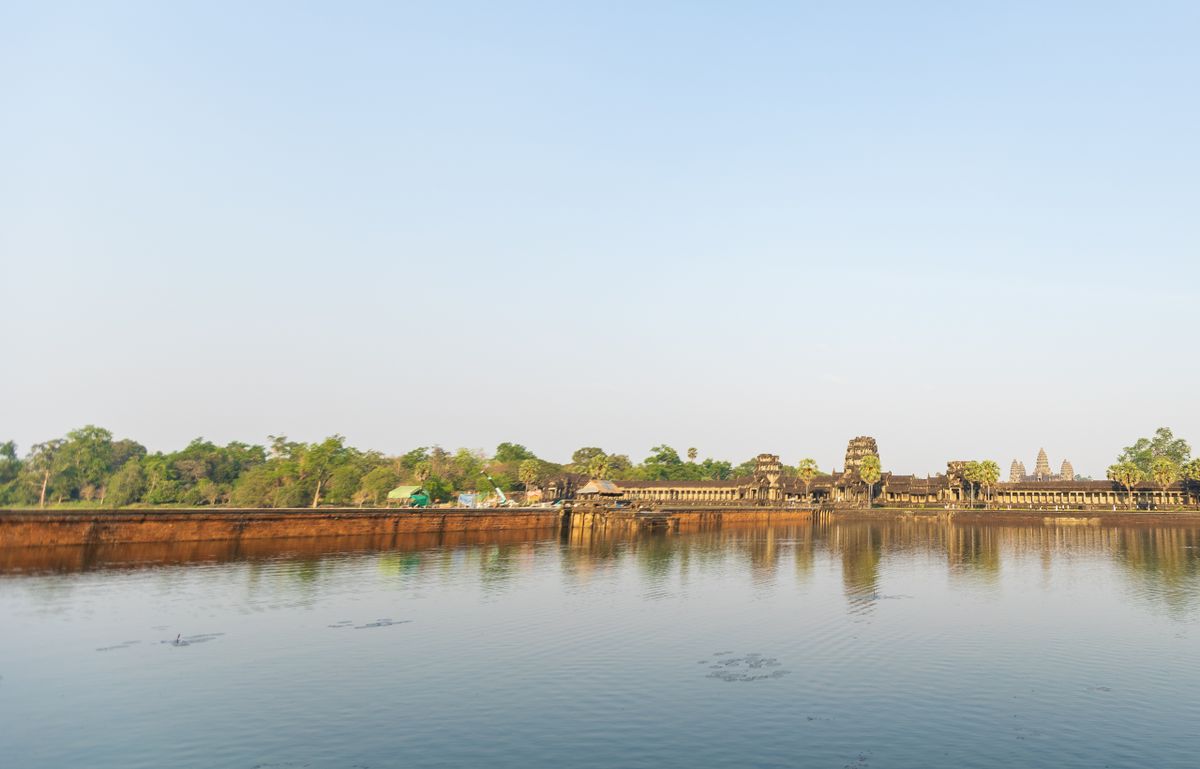
Siem Reap
Angkor needs three unhurried days, plus a Tonle Sap stilt-village run.
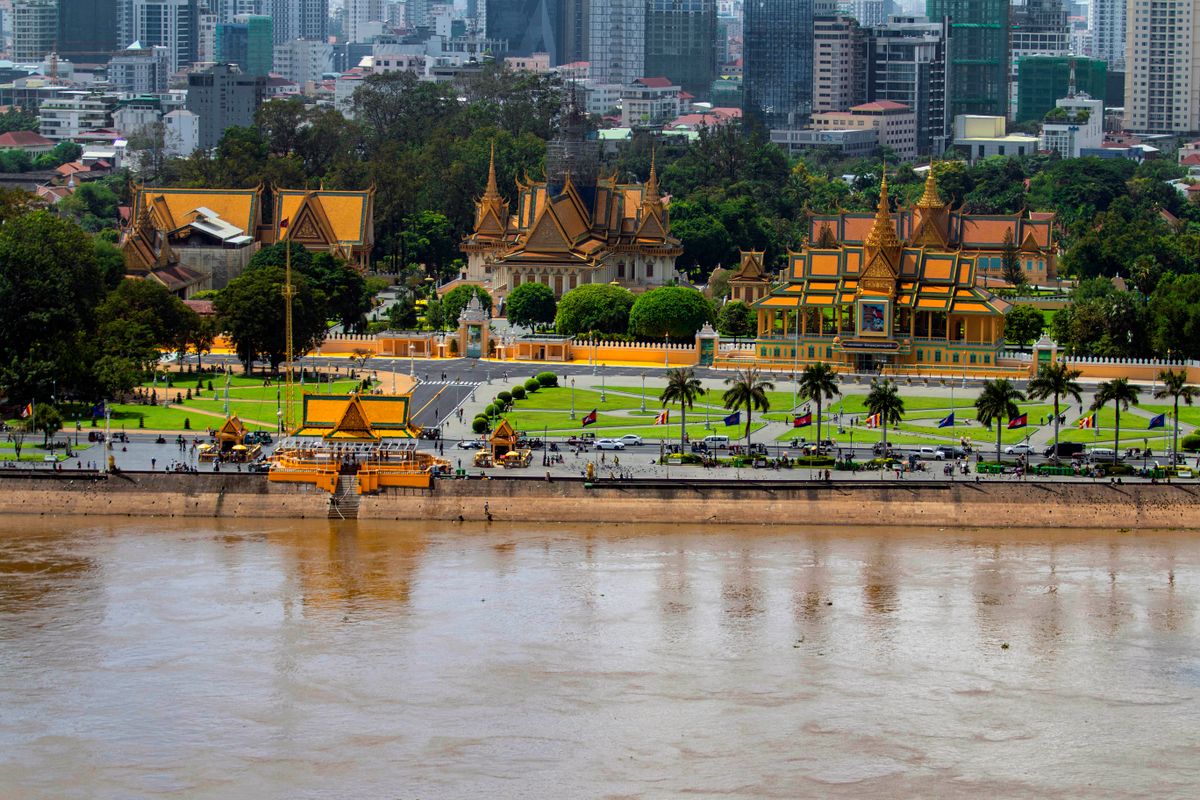
Phnom Penh
Royal Palace, S-21 and Choeung Ek, then riverside bars and night markets.
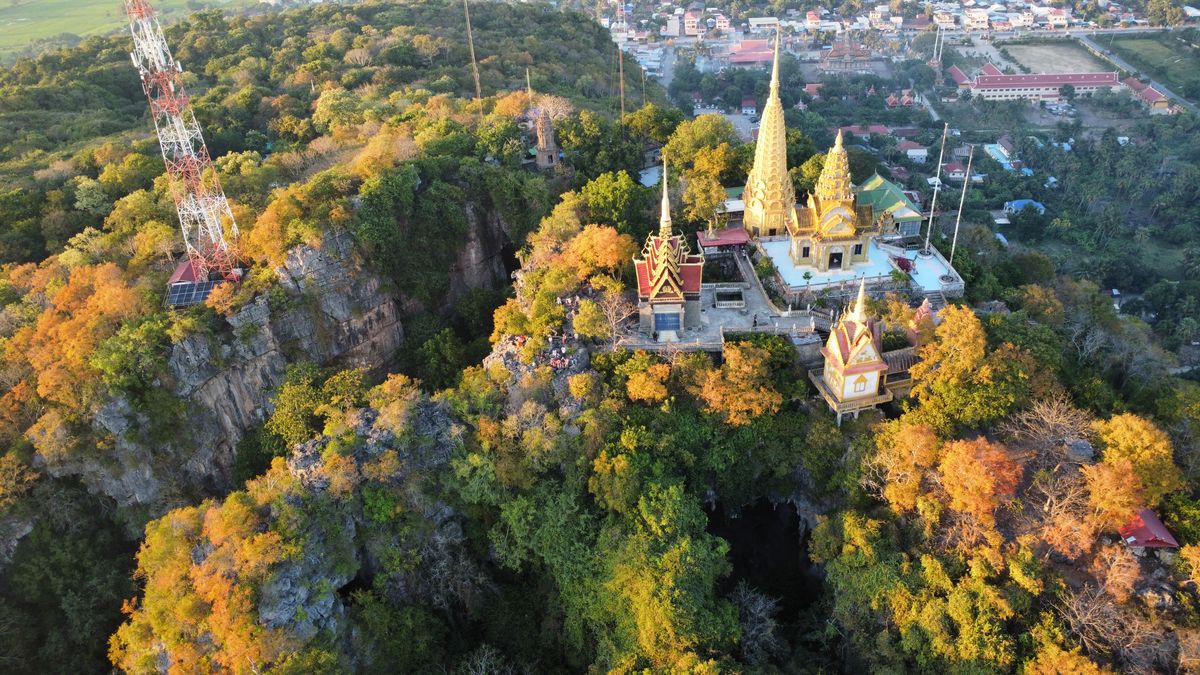
Battambang
Bamboo train, the bat cave exodus and the country's best circus school.
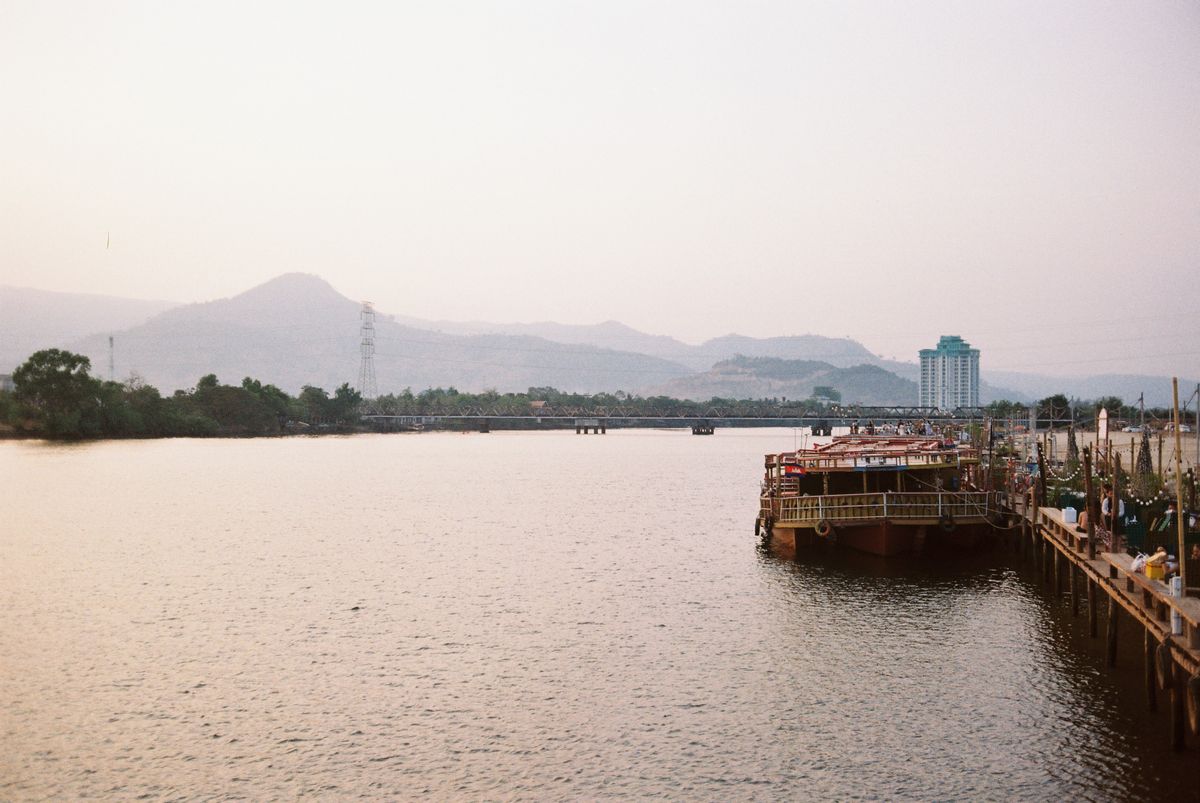
Kampot
River sunsets, pepper farms and the fog-wrapped ruins on Bokor mountain.
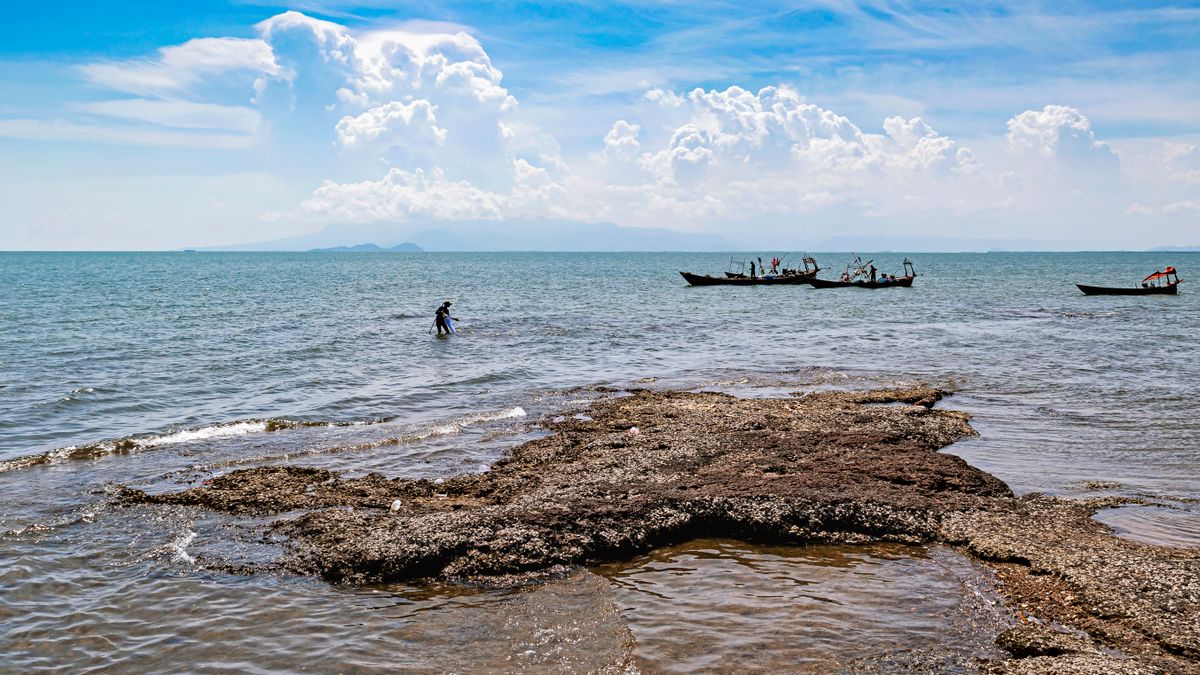
Kep
Crab market lunches, a jungle loop walk and a boat to Rabbit Island.
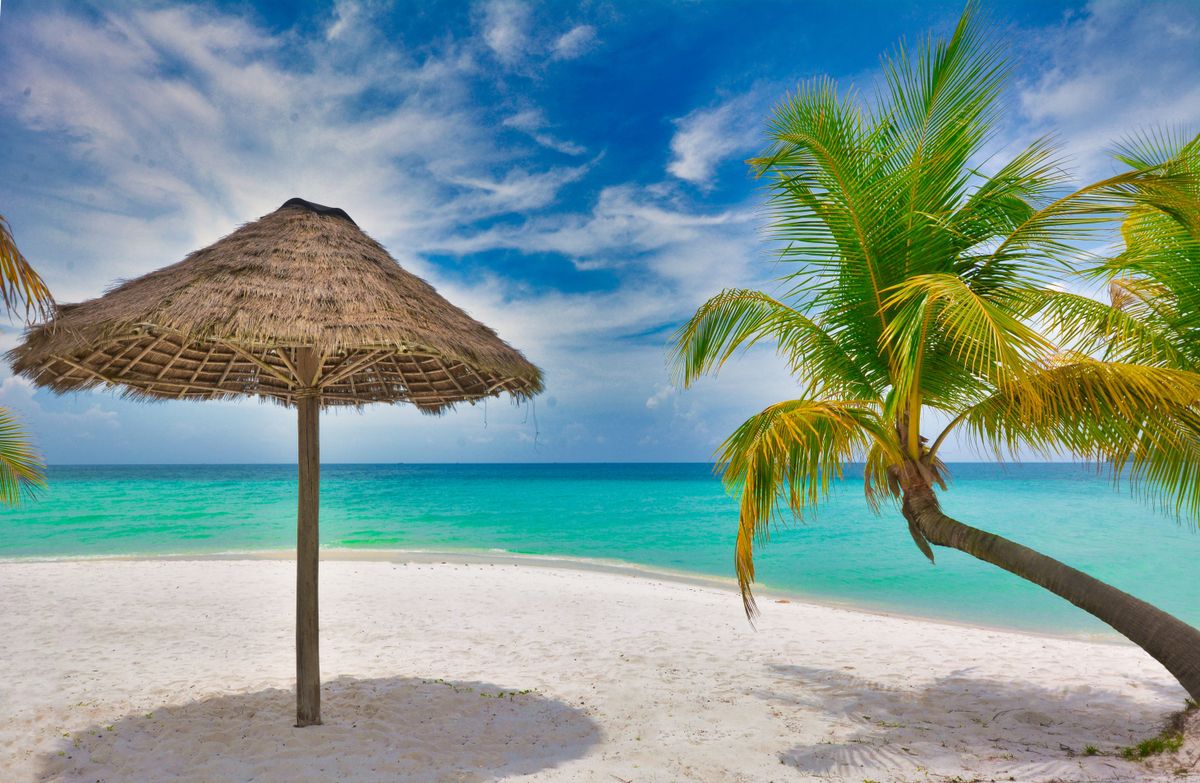
Koh Rong
Beach days, snorkelling and a night swim through glowing plankton.
One month here
Angkor needs three unhurried days, plus a Tonle Sap stilt-village run.
Bamboo train, the bat cave exodus and the country's best circus school.
Royal Palace, S-21 and Choeung Ek, then riverside bars and night markets.
River sunsets, pepper farms and the fog-wrapped ruins on Bokor mountain.
Crab market lunches, a jungle loop walk and a boat to Rabbit Island.
Beach days, snorkelling and a night swim through glowing plankton.
Three months here
Temples slowly, plus cooking classes and outlying sites most people skip.
Cheap, friendly base for cycling, art spaces and countryside workshops.
Museums, history and city life; the easiest place to sit still a while.
The classic long-stay town: cheap rooms, riverside cafes, a mountain behind.
A quiet coda to Kampot, all seafood, sea air and jungle walks.
Beach time with enough bars and boats to keep it from getting dull.
Koh Rong Sanloem — 8 nights
Slower, softer island finish: Saracen Bay swims and Lazy Beach sunsets.
Festivals worth flying for
Khmer New Year (Choul Chnam Thmey) · 13-16 April
Shrines, family games and street parties; Siem Reap hosts the big Angkor Sangkranta event.
Water Festival (Bon Om Touk) · Late October or November, full moon
Dragon-boat races on the Tonle Sap, plus lantern floats and fireworks on Phnom Penh's quay.
Pchum Ben · September or October, 15 days
Ancestor rites: families take rice offerings to pagodas at dawn. Cities empty, buses fill.
In an emergency
Emergency number 119 ambulance / 117 police / 118 fire
Response is patchy outside Phnom Penh and Siem Reap; hotels and tourist police get help fastest. Medical care is limited, so carry evacuation insurance.
Language
Khmer. English widely spoken in tourist areas; some French among elders.
Money
US dollars are the everyday currency; riel is change under $1. Cards in cities, cash elsewhere.
The full episode drops on our socials — follow along: