Salvador · Nightlife
Checked August 2026 · 5 official sources
FIESTA SIDE
Salvador's night is mostly outdoors and mostly percussive — free street stages in the Pelourinho on Tuesdays, bar tables in Rio Vermelho every other night, and in February a carnival that swallows the city.
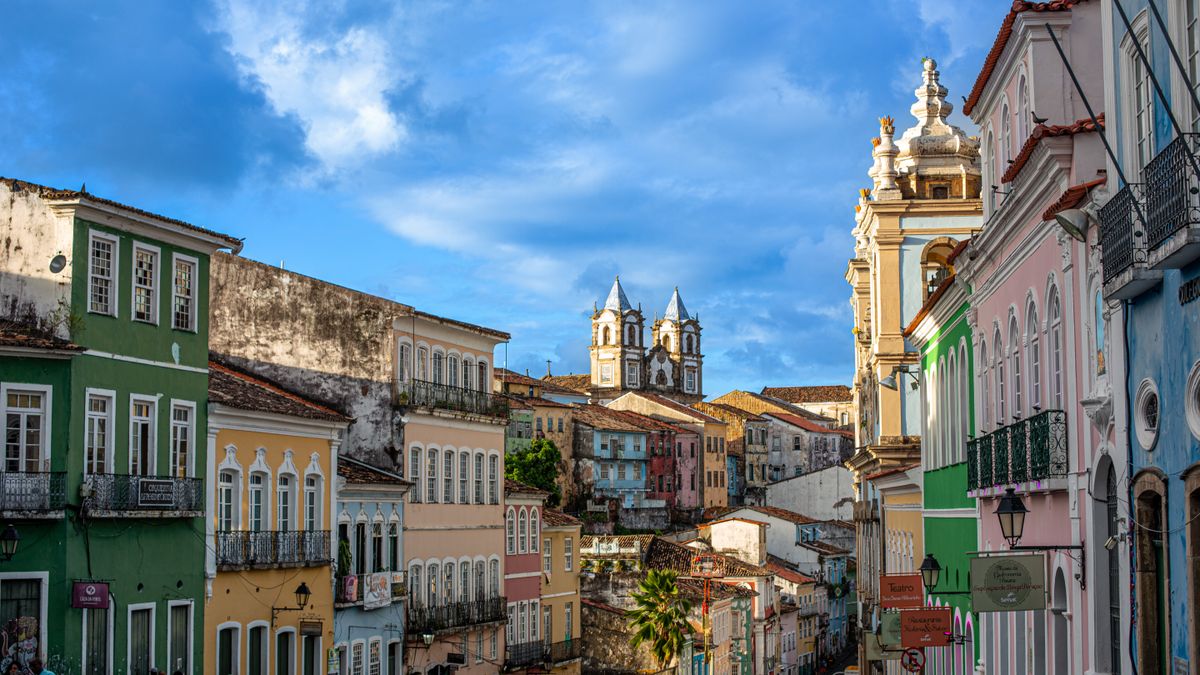
Terça da Bênção, Pelourinho
Tuesday is the historic centre's night. It grew out of the weekly blessing mass and is now a free circuit of stages and bloco rehearsals across the largos of the Pelourinho, running outdoors until late. Stick to the lit squares and take a taxi back.
📍 Map & photos · $
Balé Folclórico da Bahia
Brazil's only professional folk dance company performs orixá dances, capoeira and maculelê at the Teatro Miguel Santana, Rua Maciel de Baixo 49 in the Pelourinho, on Mondays, Wednesdays and Fridays at 7pm. Tickets R$60, sold at the theatre from 3pm.
📍 Map & photos · $ · Website ↗
Jam no MAM, Solar do Unhão
Every Saturday from 6pm the Museum of Modern Art's waterfront compound at Solar do Unhão hosts a jazz jam with Bahian rhythms folded in, the Bay of All Saints behind the stage. Arrive before sunset for the view.
📍 Map & photos · $ · Website ↗
Rio Vermelho
The bohemian neighbourhood where locals actually drink: tables spill across Largo de Santana and Largo da Mariquita, the acarajé stands work into the night, and there is live music most evenings. Cheapest and best on a weeknight.
📍 Map & photos · $
Carnaval de Salvador
Six days in February or early March built around trio elétrico trucks moving along the Barra–Ondina seafront and the Campo Grande circuit downtown. You can follow free in the crowd as pipoca, buy a bloco costume to walk inside the ropes, or pay for a camarote balcony — the three cost wildly different amounts.
📍 Map & photos · $$$