Potosi
SOUTH AMERICA · SIESTA SIDE
The silver city that once bankrolled an empire, at 4,067m. Extraordinary colonial architecture, a brutal history, and air that will slow you down.
The plan
Casa Nacional de la Moneda
The colonial royal mint, and one of South America's great museums. Guided tours only, roughly two hours, worth every minute.
📍 Map & photos · €€
Think hard about the mine tour
Cerro Rico is still worked and UNESCO lists it as endangered. Tours are dusty, cramped and genuinely risky. Many people skip it.
📍 Map & photos · €€
Walk the colonial centre
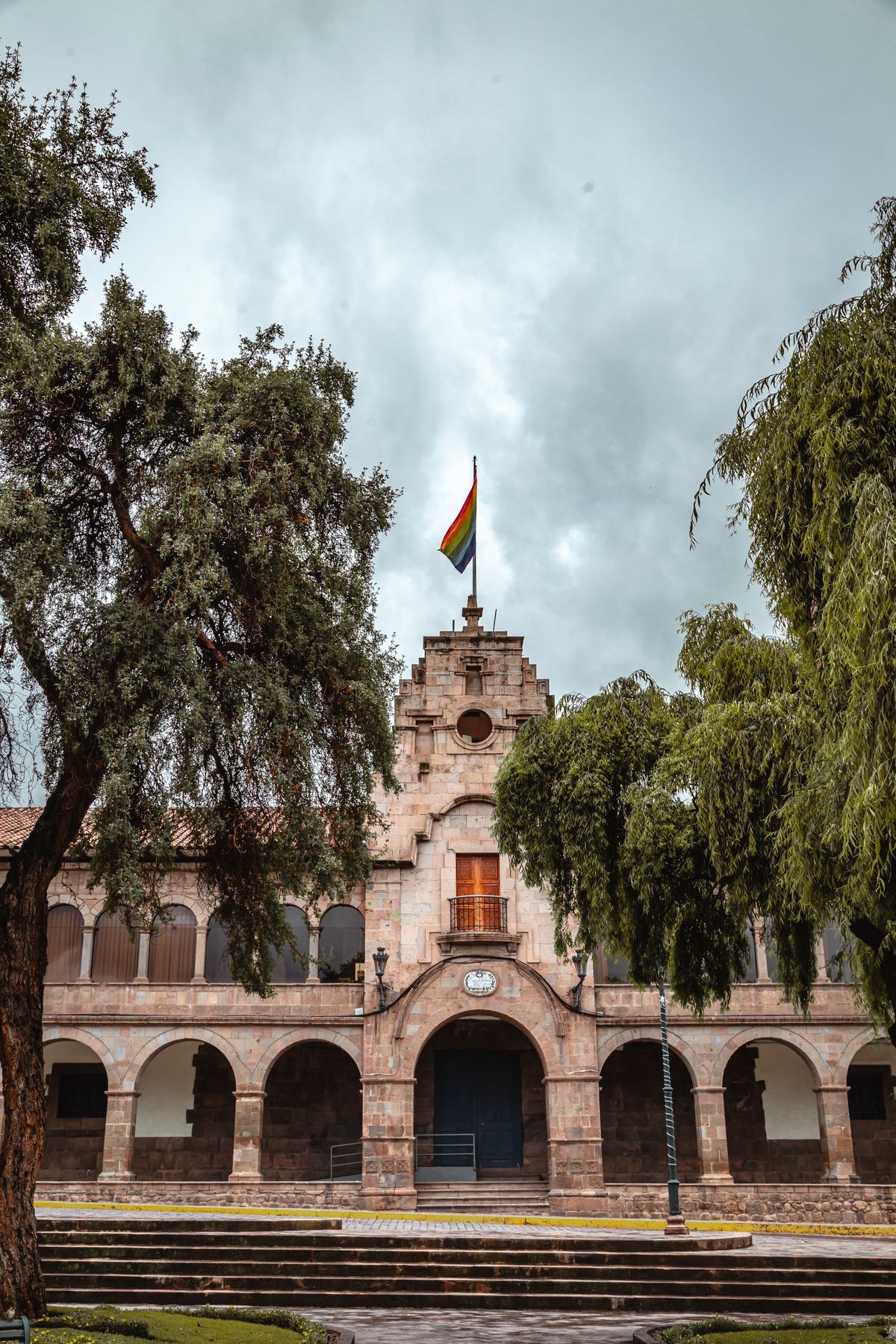
UNESCO-listed since 1987: Calle Quijarro, carved doorways and more than thirty churches in a few square blocks.
📍 Map & photos · €
Torre de la Compania
A 1707 bell tower with a spiral stair up to a rooftop view over the tiled roofs and Cerro Rico beyond.
📍 Map & photos · €
Acclimatise before arriving
At 4,067m this is the highest stop most travellers make. Come via Sucre, not sea level, and take your first day easy.
Getting there
Bus from Sucre
Around 3 hours and the standard approach. It climbs steadily, so arrive acclimatised rather than straight from the lowlands.
Bus from Uyuni
Roughly 4 hours across the altiplano on a paved road. A common link when combining the salt flats with Potosi.
Overnight bus from La Paz
About 10 hours. Doable, but Sucre first is kinder: 3,600m to 4,067m overnight is a rough way to arrive.
When to go
Best time to go
May to September, dry and clear, but pack for genuinely freezing nights.
Cheapest months
November to March, wet season, when few travellers linger this high up.
Priciest & busiest
August, for independence celebrations and dry-season salt flat traffic.
If you've got one day
Morning
Start at Casa Nacional de la Moneda for the guided tour; slots book out, so go early.
Late morning
Wander Calle Quijarro and the carved colonial doorways, stopping whenever the altitude asks you to.
Lunch
Try a k'alapurka, a stew brought to the boil at your table with a scalding volcanic stone.
Afternoon
Climb the Torre de la Compania for rooftops and Cerro Rico, or visit the Santa Teresa convent.
Evening
Dinner on the plaza and an early night. At this altitude, sleep is genuinely the main event.
Nearby & day trips
Ojo del Inca
A near-perfectly circular thermal lake at Tarapaya, 25km out, warm enough to swim. Depth and currents demand care.
Betanzos
A market town an hour away, busiest on Sunday, with almost no foreign visitors and good regional weaving.
The full episode drops on our socials — follow along: